THE ART OF
CONVICTION.
Why a car company decided it was actually a fashion house.
Why a car company decided it was actually a fashion house.
As composition. As an expression the atelier curates from first thread to final clear coat. That question — absurd, obvious, inevitable — is the reason HOF exists.
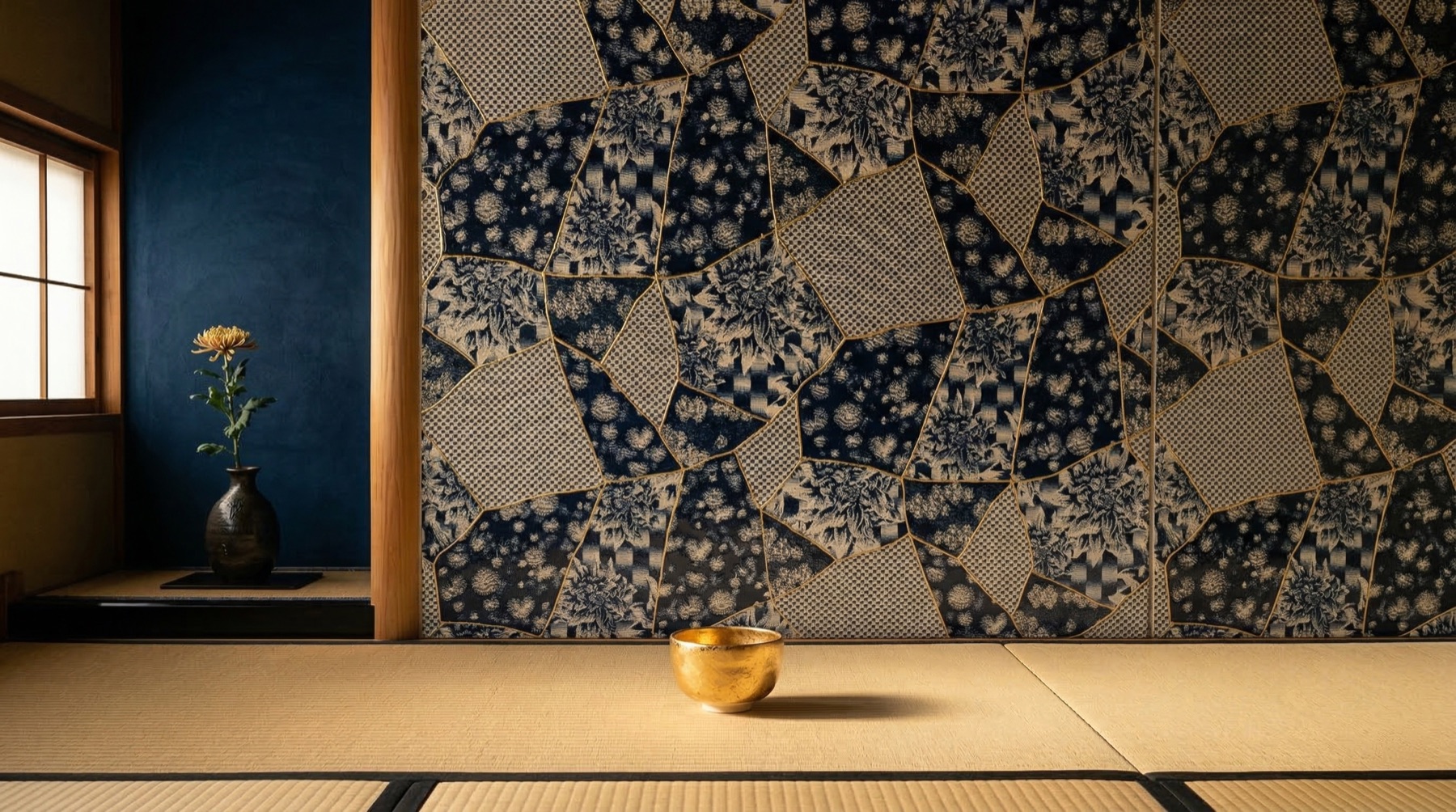
Botanical jacquard — a textile principle, applied everywhere.
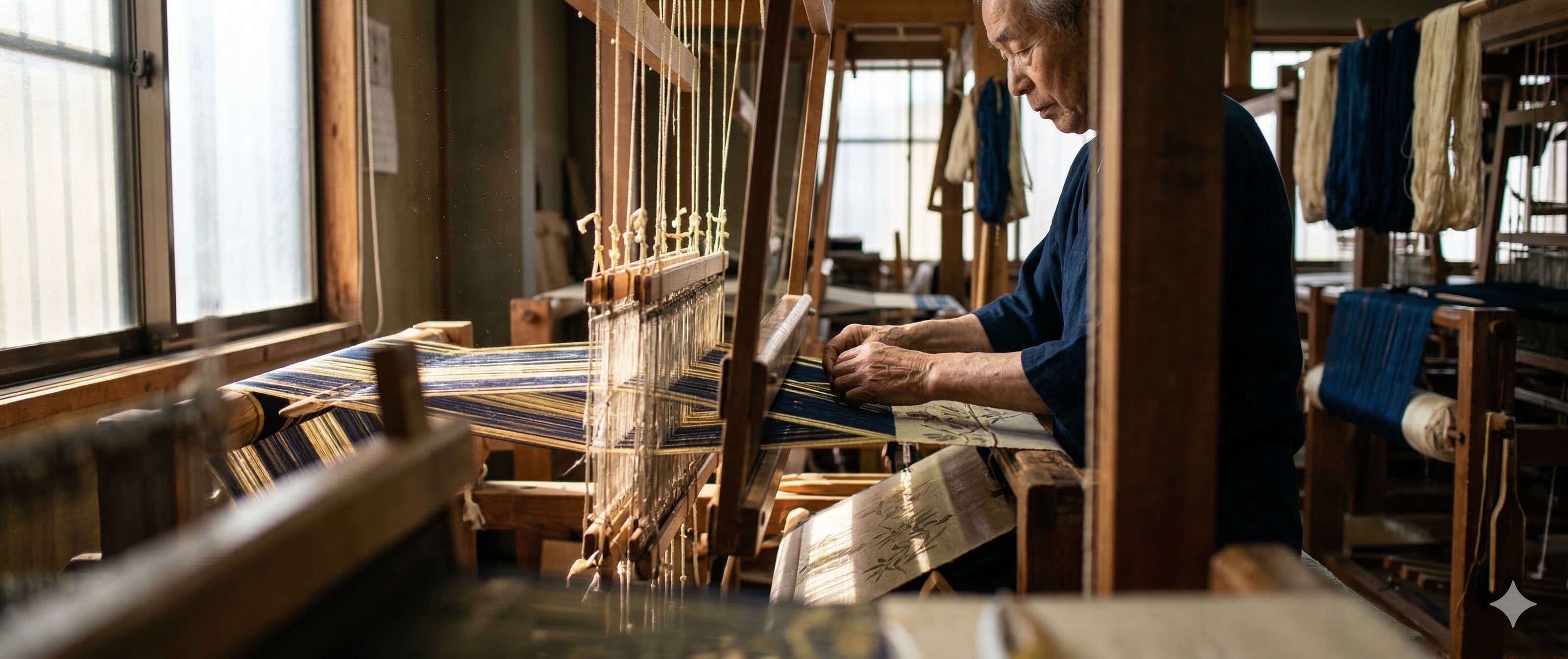
Nishijin, Kyoto — where a car interior begins.
Every HOF collection starts with a cultural thesis. Japanese textile arts. Parisian haute couture. Edo Kiriko glass-cutting. Bauhaus spatial theory.
The atelier doesn't ask what the connoisseur wants. It asks what the world is saying — then translates that into metal, leather, and thread.
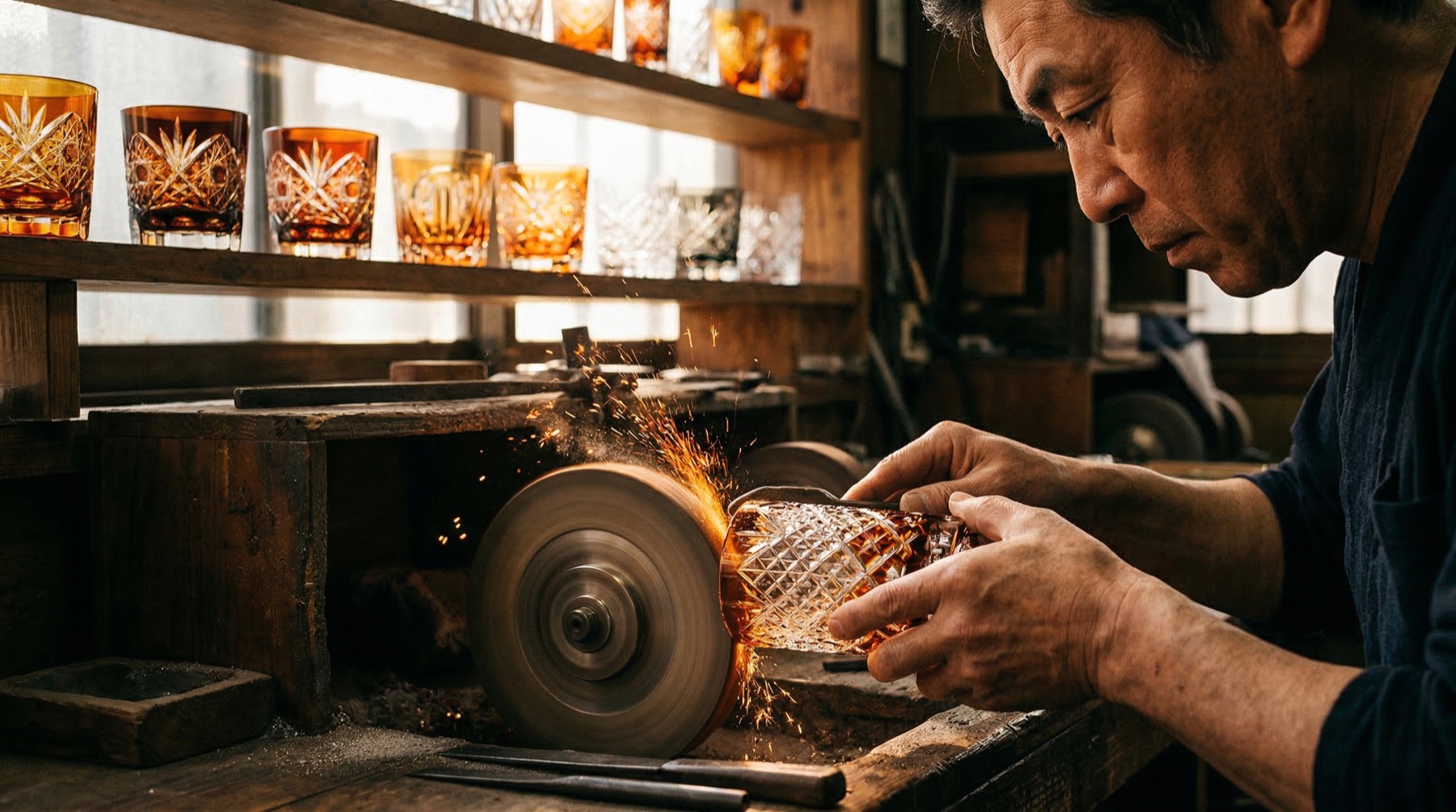
Edo Kiriko — geometry as devotion.
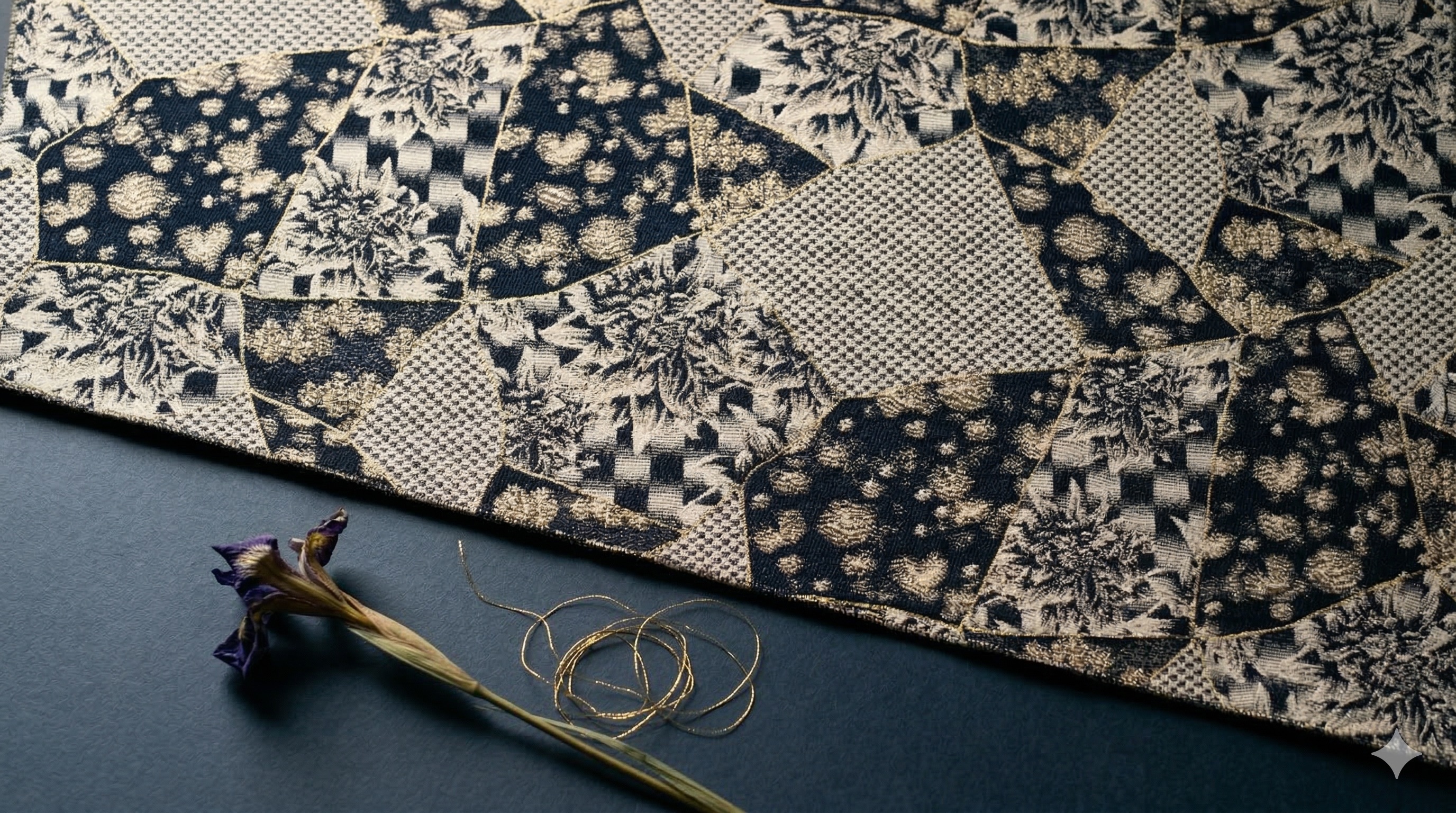
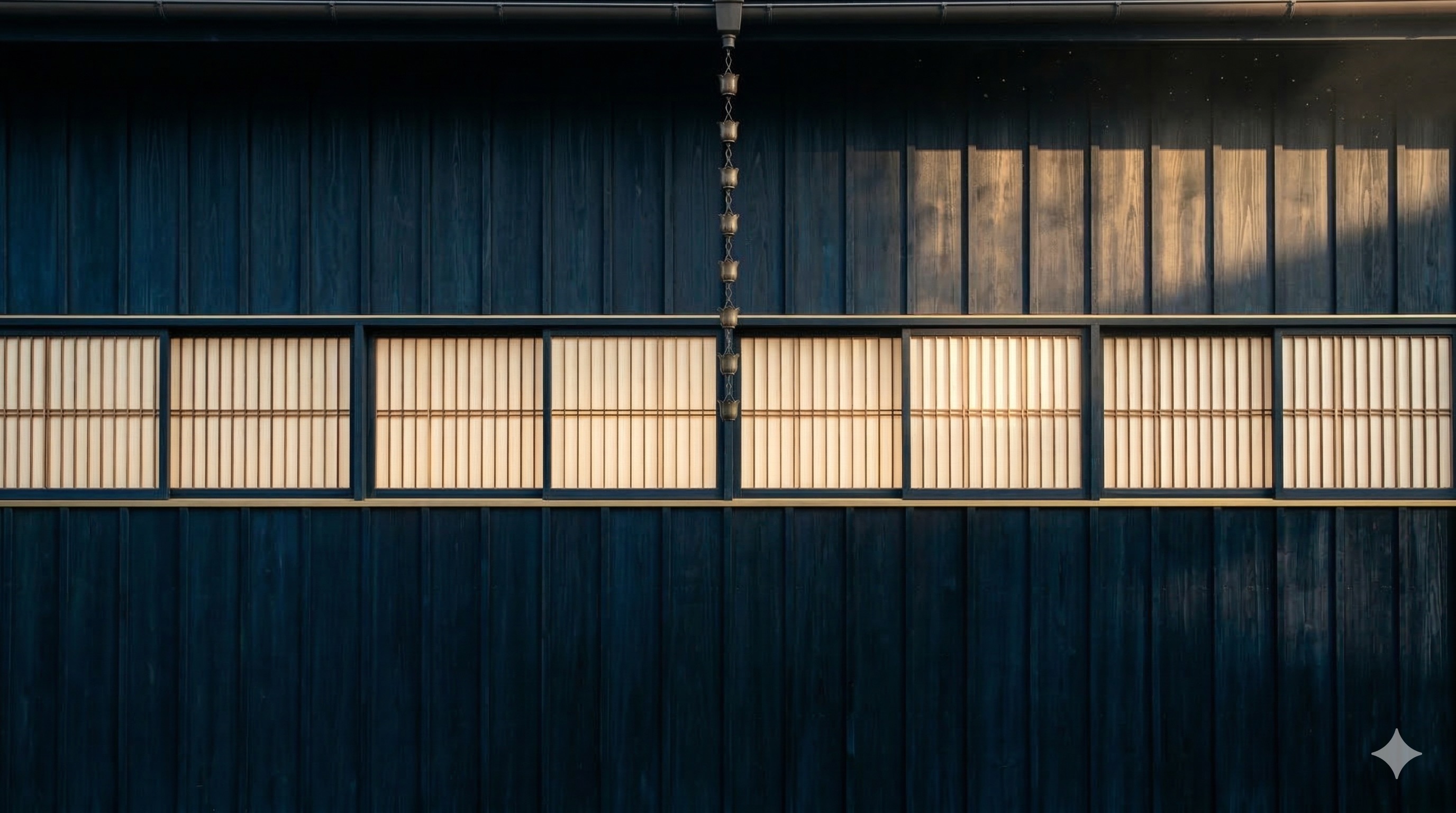
Kyoto facade — the two-tone principle.
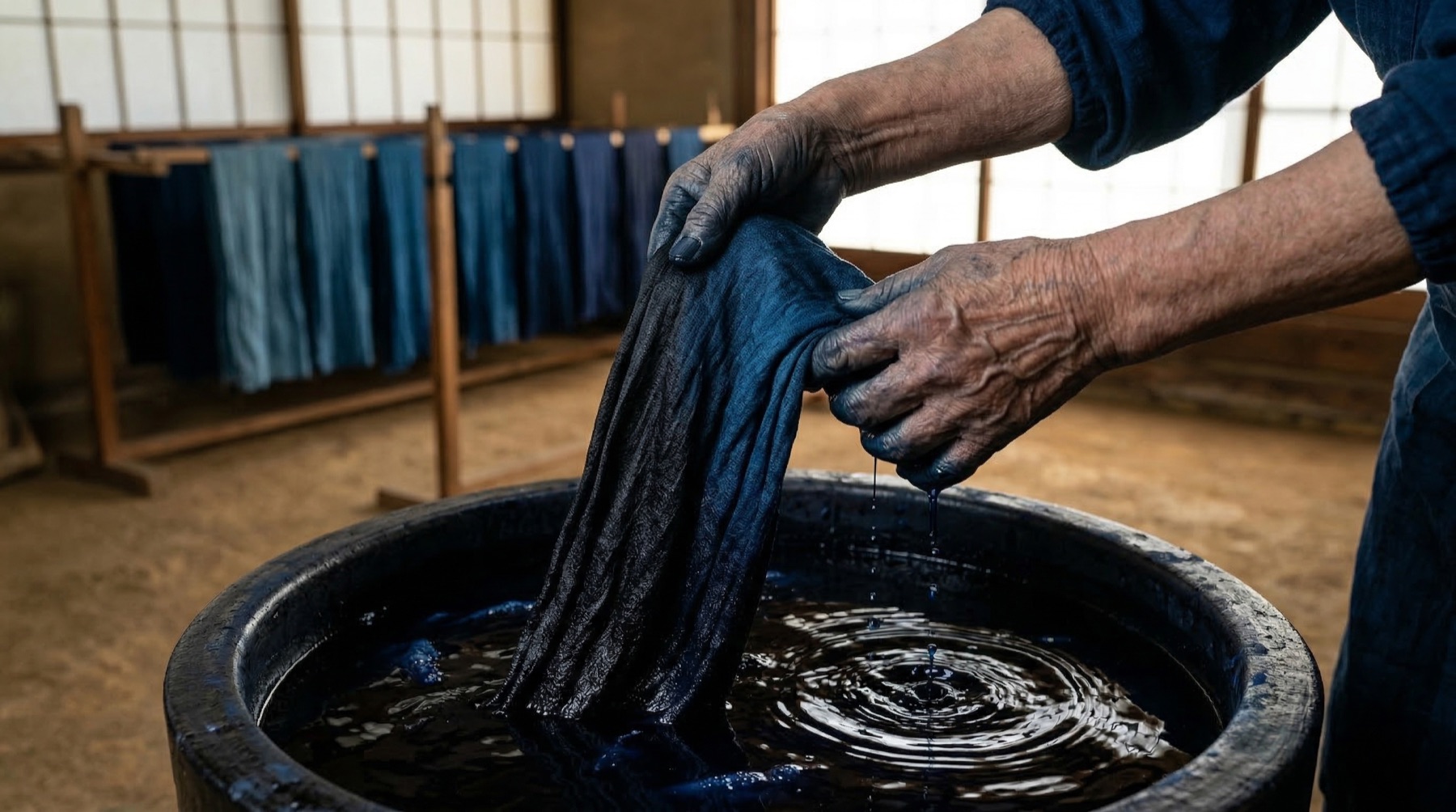
Craft memory — passed forward, kept alive.
"A collection is a cultural argument. The car is how you win it."
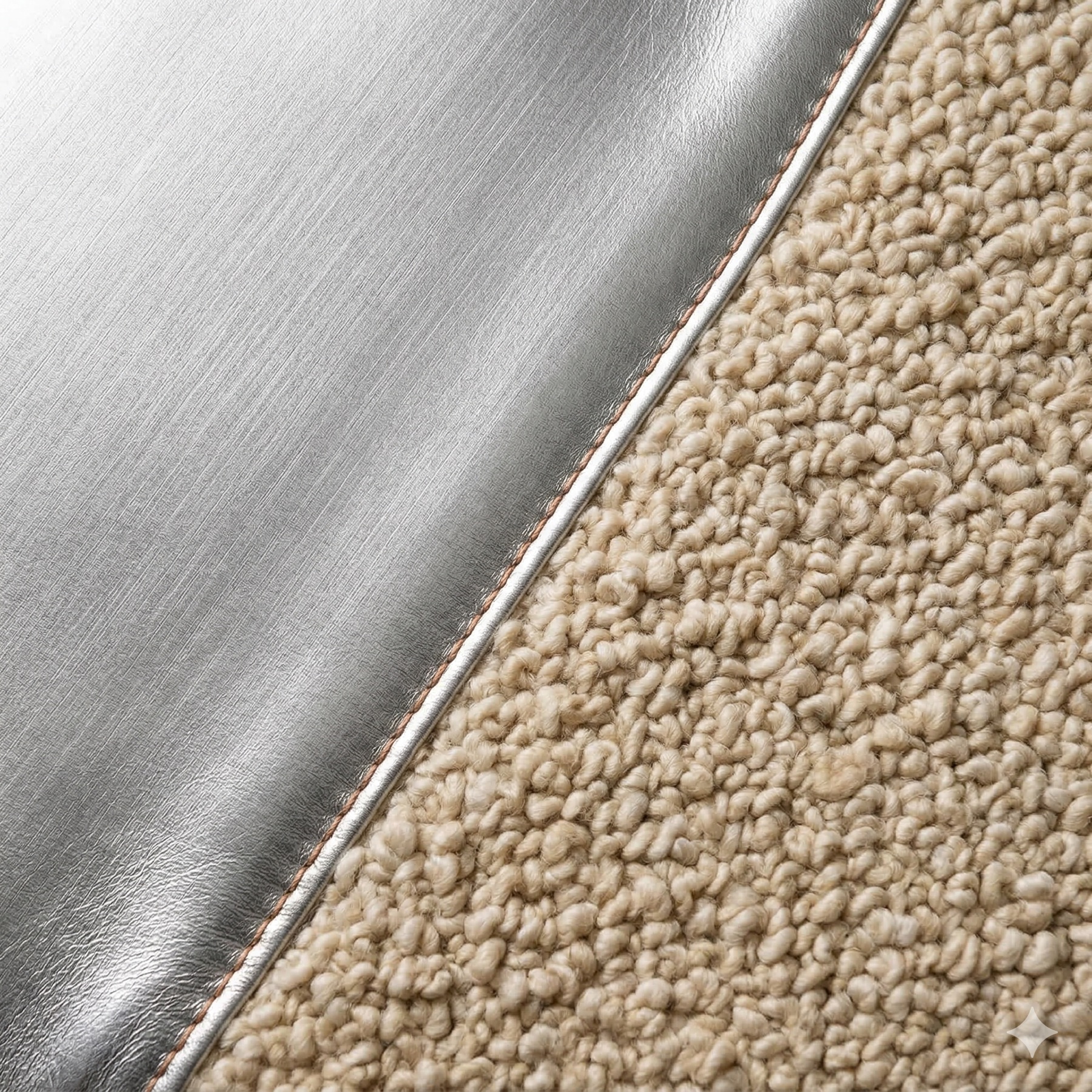
Materials chosen for what they become. The Bento Box principle — a curated, closed palette where every combination is pre-composed by the atelier.
No open configurator. No 47 leather swatches. Each composition arrives whole — considered, resolved, signed.
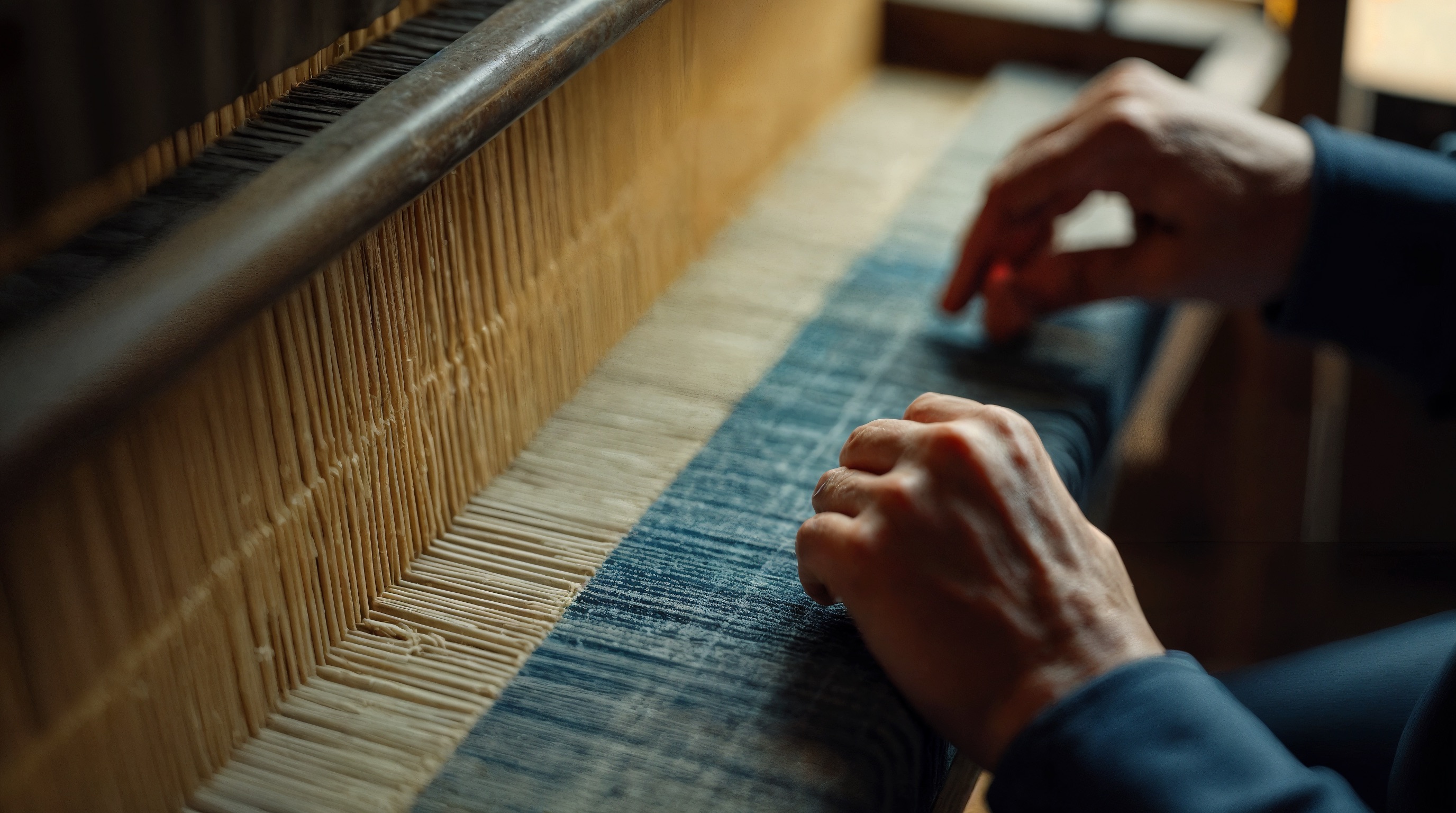
The palette — closed by conviction.
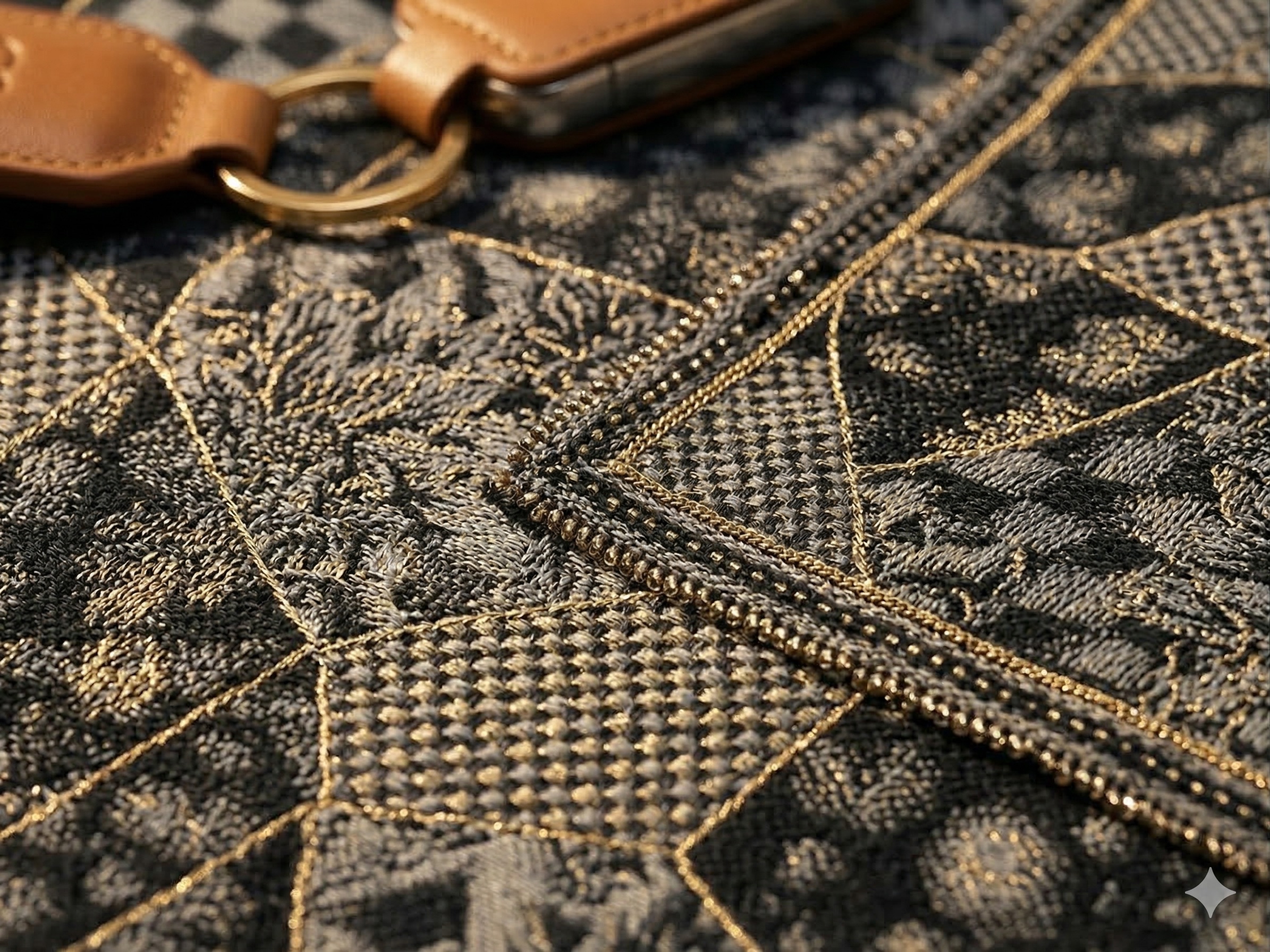
Woven. Surface as narrative.

Crystal resin pour — controlled chaos at 900°.

Salon silhouette — the longer line.
Two silhouettes. Salon and Sport. Not tuning — translation. The G-Class as a canvas for everything that came before: the culture, the craft, the material conviction.
The car is the final medium. Never the starting point.

Tokyo · Night

Ma · The space between

Coach Doors — a threshold between worlds.
Maison HOF
Not a car company that does fashion. A Maison that happens to work with cars. The difference is everything.